Unlocking Creative Potential: A Guide to High-Quality Digital Design Assets
In the rapidly evolving world of digital creativity, access to high-quality assets is no longer a luxury—it is a necessity. Whether you are a seasoned graphic designer, a small business owner launching a Print on Demand store, or a hobbyist looking to personalize gifts, the foundation of your project often lies in the files you choose to work with. Today, we explore the significance of specialized digital resources, focusing on popular themes like Nurse Checkered PNG and Floral Text PNG, and explain why understanding file formats is crucial for professional results.
The Power of Transparent Backgrounds in Modern Design
At the heart of many successful design projects is the Portable Network Graphics (PNG) format. Unlike JPEGs, which compress images and often introduce unwanted white backgrounds, PNGs support transparency. This feature is vital for versatility. When you download a High-Quality Digital Design File, such as a intricate floral arrangement or a themed graphic, having a transparent background means you can place that image over any color, pattern, or photograph without unsightly borders.
Consider the practical application: if you are designing a t-shirt, you want the design to blend seamlessly with the fabric color. A PNG with a 300 DPI (dots per inch) resolution ensures that the image remains crisp and clear, even when printed on large surfaces. This resolution standard is the industry benchmark for print quality, ensuring that your final product looks professional rather than pixelated or blurry.
Why Resolution Matters: Understanding 300 DPI
One of the most common misunderstandings among beginners is the difference between screen resolution and print resolution. Screens typically display images at 72 DPI, which is sufficient for web use but inadequate for printing. When you purchase a digital asset labeled as 300 DPI, you are acquiring a file that contains enough data points to produce sharp, detailed prints. This is particularly important for items like mugs, tumblers, and wall decor, where viewers will be close enough to notice any lack of detail.
- Clarity: Higher DPI means more dots of ink per inch, resulting in smoother lines and gradients.
- Scalability: While vector files are infinitely scalable, high-resolution PNGs offer excellent flexibility for resizing within reasonable limits without losing quality.
- Professionalism: Using low-resolution images can make a brand appear amateurish; 300 DPI signals quality and care.
Exploring Popular Design Themes
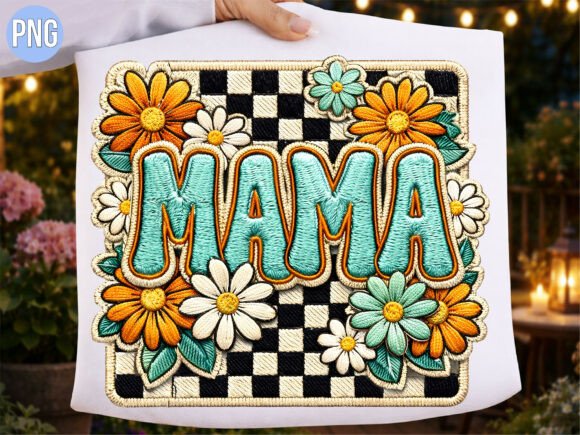
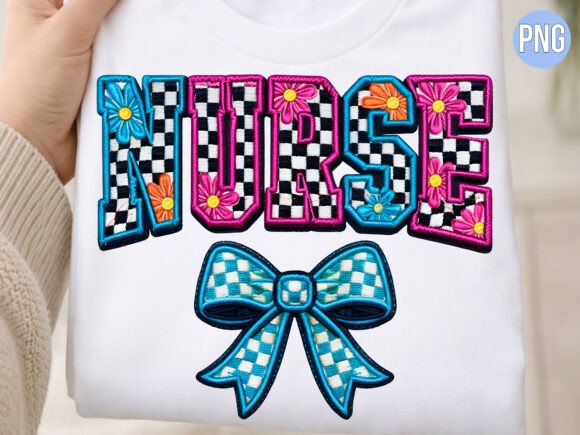
Digital design trends shift frequently, but certain themes maintain enduring popularity due to their broad appeal and versatility. Two such examples are the Nurse Checkered PNG and Floral Text PNG. These designs cater to specific audiences and occasions, making them valuable assets for creators.
The Appeal of Themed Graphics
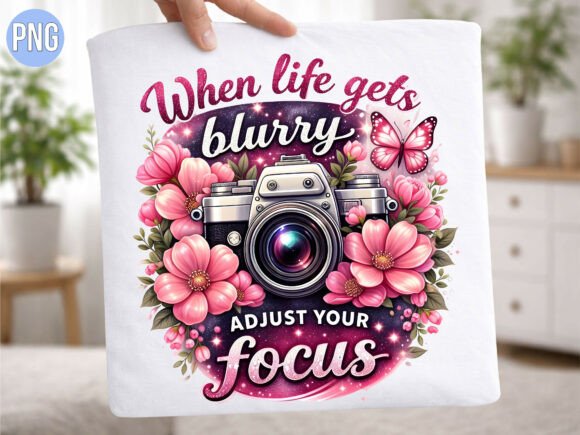
The Nurse Checkered design often combines medical symbolism with trendy aesthetic patterns, such as checkerboards. This fusion appeals to healthcare professionals who want to express pride in their career while staying fashion-forward. It is ideal for creating custom scrub caps, badge reels, or tote bags. On the other hand, Floral Text PNG files combine elegant typography with botanical elements. These are perfect for wedding invitations, greeting cards, and home decor items like pillows and albums. The organic nature of flowers softens the rigidity of text, creating a balanced and visually pleasing composition.
By utilizing these pre-designed elements, creators save hours of illustration time. Instead of drawing complex floral vines or crafting intricate checkered patterns from scratch, you can focus on layout, color coordination, and product placement. This efficiency is crucial for small businesses that need to maintain a steady output of new designs to stay competitive.
Practical Applications for Print on Demand and DIY Projects
The true value of a High-Quality Digital Design File is realized when it is applied to tangible products. The versatility of PNG files makes them suitable for a wide array of Print on Demand (POD) and DIY projects. Here is how you can leverage these assets across different mediums:
- Apparel: T-shirts and hoodies benefit greatly from transparent backgrounds, allowing the design to sit naturally on various fabric colors.
- Drinkware: Mugs and tumblers require high-resolution images to withstand the curvature of the surface and the printing process without losing detail.
- Home Decor: Pillows, wall art, and albums can be personalized with floral text or themed graphics to match interior design schemes.
- Stationery: Greeting cards and scrapbooks gain a professional touch with crisp, clean digital elements that look hand-drawn but are perfectly aligned.
- Accessories: Stickers and phone cases are popular items that rely on bold, clear imagery to stand out in crowded marketplaces.
Each of these applications requires the designer to consider the end-use environment. For example, a design intended for a dark-colored t-shirt may need a white underbase or specific color adjustments to ensure visibility. Having a high-quality source file allows for these adjustments without degrading the image quality.
Technical Requirements and Best Practices
To ensure you get the most out of your digital purchases, it is essential to understand the technical requirements. Before purchasing, please ensure that your editing or design software is compatible with PNG files. Most modern software, including Adobe Photoshop, Canva, Procreate, and GIMP, supports PNG imports seamlessly.
File Management Tips
When you receive your purchase, you will typically get a ZIP folder. This compressed format reduces file size for faster download and keeps related files organized. However, a common mistake is trying to use the files directly from the ZIP archive. Please unzip and extract the file before use. Extracting the files ensures that your design software can read the metadata and resolution correctly, preventing errors during the import process.
Additionally, always keep a backup of your original downloaded files. While you can edit and save new versions, having the original 300 DPI PNG allows you to start fresh if a project goes awry. This practice is part of good digital hygiene and ensures long-term accessibility to your assets.
Building a Broader Understanding of Digital Assets
Understanding the nuances of digital design files empowers you to make better creative decisions. It moves you from simply "using pictures" to strategically employing assets that enhance your brand or personal projects. By recognizing the importance of resolution, transparency, and file management, you elevate the quality of your output.
Moreover, this knowledge helps in communicating with clients or collaborators. When you can explain why a 300 DPI PNG is necessary for a print project versus a 72 DPI JPEG for social media, you establish credibility and expertise. This aligns with E-E-A-T principles (Experience, Expertise, Authoritativeness, and Trustworthiness), demonstrating that you value quality and understand the technical aspects of your craft.
In conclusion, whether you are drawn to the professional pride of a Nurse Checkered PNG or the elegance of a Floral Text PNG, the underlying technology remains the same. High-quality digital design files are tools that bridge the gap between imagination and reality. By respecting the technical requirements and exploring the diverse applications of these assets, you unlock endless possibilities for creativity and commerce. Remember to unzip your files, check your software compatibility, and let your creativity flow onto every mug, shirt, and card you create.